
Hi! This is July’s Monthly Listening list, a quick rundown of new Japanese albums I checked out this month that I enjoyed. You can browse past Monthly Listenings from this year here.
During my trip from Japan, I bought a book called 90s Anime & Voice Actor’s Song Guide, and it’s already been a treasure trove introducing me to even greater paths for my personal journey of understanding anison throughout the decades. After flipping through its pages, I got inspired to pick the Maaya Sakamoto discography back up again and was stunned by her 2001 album, Easy Listening.
Like suggested by the underwater album art, Yoko Kanno’s arrangements on Easy Listening are more impressionistic and new age-y than the voice actress’s first two; you can perhaps slot this album under “art pop.” That said, a couple tracks also dabble into R&B styles contemporary of its time. The harp-meets-breakbeats production of “bitter sweet” imagines an alternate universe in which Sakamoto collaborates with Darkchild and finds herself more a creative peer of Utada Hikaru and m-flo than Nana Mizuki. The editors of the guide were absolutely right choosing that song for the book’s brief 2000s section.
I also caught up with new releases this month. Here’s the listening from August.

nnn by ast midori
► “m-hyped” | IDM

Love Album by CENT
► “Poker Faced Cowboy” | pop rock

u:phobia by Emma Aibara
► “escape mode” | emo / breakcore
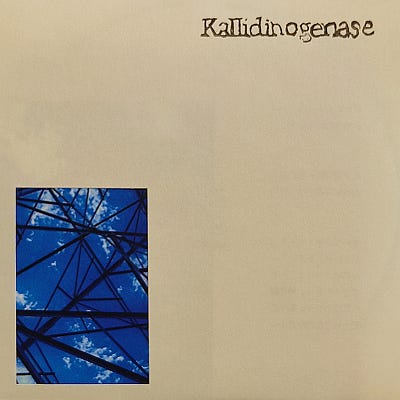
Kallidinogenase by Kallidinogenase
► “Himawari (Part 3)” | skramz / Vocaloid
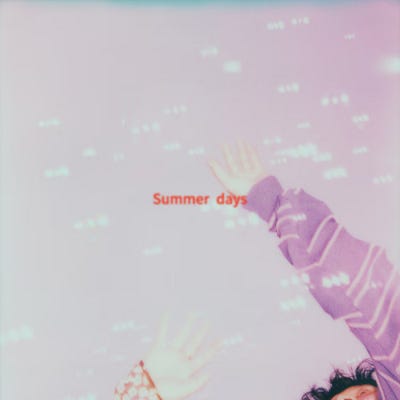
Summer days EP by Layla
► “Summer ends” | indie rock
Seikatsu EP by lilbesh ramko
► “Homesic/Kurashi” | hyperpop

CIEN ARANAS by Limited Express (has gone?)
► “CIEN ARANAS” | post-punk

Mad&Cute by Lucky Old Sun
► “Shinya Tension” | indie rock
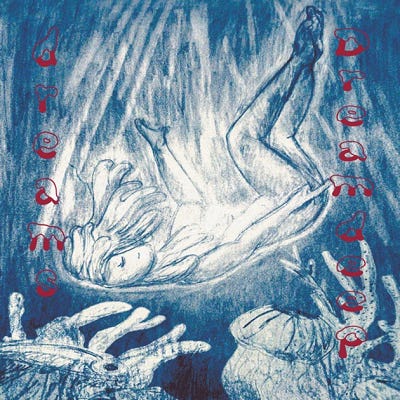
Dream Deep Dreams EP by o_all
► “roka” | indie rock

HIGH HEART by PLASTIC GIRL IN CLOSET
► “Pool” | indie rock / shoegaze
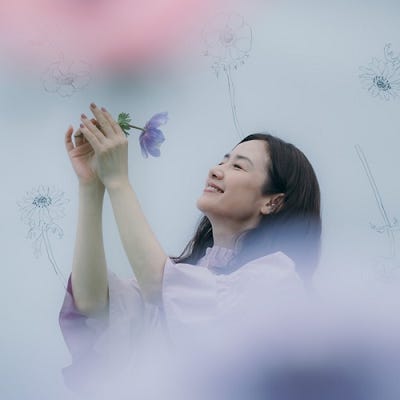
Anemone EP by Tomoyo Harada
► “Driving Summer” | pop / AOR

CORE4 by TREKKIE TRAX CREW
► “Wildin’” ft. mezz | EDM
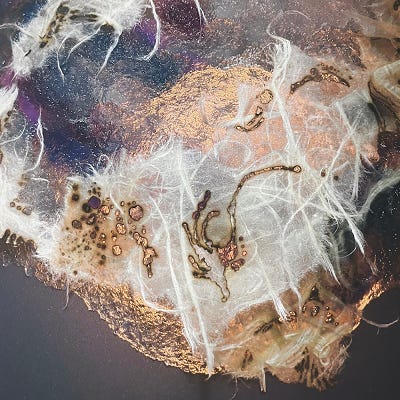
mioboe by uami
► “Yarazunoame” | ambient folk

UNFAIR GOD by UNFAIR GOD
► “Fleshpiles” | powerviolence

GOOD PLACE by ZOMBIE-CHANG
► “J’ai le cafard” | electro pop
Bonus Beats: Miki Imai, 1992-1997
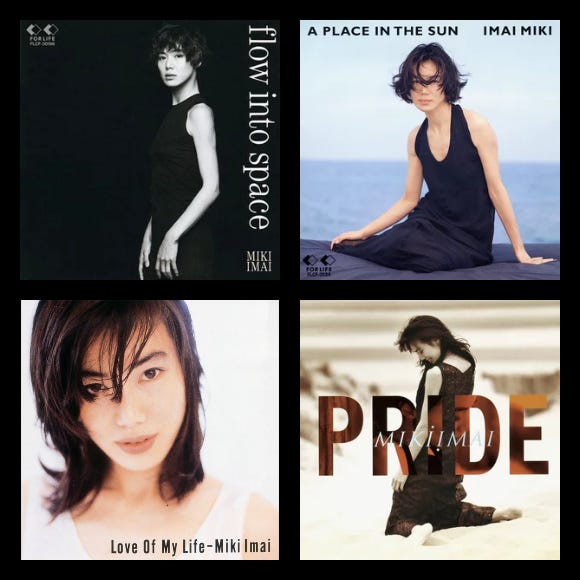
Flow into Space (1992)
A Place in the Sun (1994)
Love of My Life (1995)
PRIDE (1997)
Like a lot of the Japanese public, I knew Miki Imai for two songs, 1986’s “Piece of My Wish”1 and 1996’s “Pride.” The latter song, I was reminded of while watching a music-countdown segment on TV a couple of years ago, and it’s been a car-karaoke favorite of mine since. Her name popped up back in June while I was putting together a list of ‘90s solo female singers to look into. A few hops across Wiki entries, I discovered that she had done this shadowy jazz ballad “Futari No Hate” with Ryuichi Sakamoto, or “Sentimental” as it appears in the English version of Sakamoto’s Sweet Revenge with Vivian Sessoms. And it turned out the two had recorded a few more songs together for Imai’s A Place in the Sun from the same year, like the closing track “Watermark.”
Before Tomoyasu Hotei, the guitarist celeb and the singer’s husband, took on a majority of the composing and arrangement duties for her records starting from 1995’s Love of My Life, Imai’s albums in the ‘90s featured other arrangers whose names immediately got me digging for the resulting music. After Sakamoto, my eye turned to the name of Yoko Kanno, who worked on four songs in Love of My Life. I immediately imagined something like the contemporary-pop greatness in the ‘90s albums of Maaya Sakamoto, once a close collaborator with Kanno up until the late 2000s. For Imai, she doesn’t have her soar like in, say, Maaya in “Platinum” than deeply submerge in her emotions, like in “Tomodachi.”
Joe Hisaishi on 1992’s flow into space meanwhile was more a curio for me. I have yet to actually dig into his work, but seeing his name being responsible for a majority of the arrangements still made the album seem worthwhile to check out. While I have no context on Imai’s music before it to know how it fares in comparison—Wiki tells me Hisaishi was brought on to produce a “whole new Miki Imai” for flow into space—it’s a great entry point as any of the four here, if more traditional in touch.
Despite it housing the single that sparked my interest in Imai, I had reservations for PRIDE mostly from the album being wholly produced by Hotei. I’m not a fan of the guy’s own music myself; he’s better when he’s providing music with or for someone else. But the breezy funk in PRIDE is admittedly infectious in its head-over-heels bliss, which lets the album work as an adorable companion to Love of My Life: if the 1995 album was her first discovering that she’s starting to sink deeper into love, this finds her in the honeymoon phase with her outwardly rejoicing in her feelings, not caring who sees. A great single on its own, “PRIDE” arrives as an even lovelier closer. After nearly an hour reveling in joy, why wouldn’t she feel this secure in the arms of her new love?
There’s still a lot more to Imai’s discography. Her early music in the late ‘80s. The albums put out before hiring Hisaishi for a makeover. The 1998 album which features the single she did for Ringu 2. And several more full-lengths from the 2000s and beyond. Maybe we’ll talk about those later as I get through them.
This Side of Japan has a Ko-Fi as a tip jar if you want to show appreciation. A subscription to This Side of Japan is free, and you don’t have to pay money to access any published content. I appreciate any form of support, but if you want to, you can buy a Coffee to show thanks.
Next issue of This Side of Japan is out sometime soon. You can check out previous issues of the newsletter here.
Need to contact? You can find me on Twitter or reach me at thissideofjapan@gmail.com
I love this song, but I also can’t ever not think of it as “the laundry detergent song” after Kao using the single for a recent commercial. The CM layers the song’s enveloping chorus— “Your friends and the people you love / will make you feel better / I keep on embracing / those kind of words”—with a scene of Yuriko Yoshitaka in bliss while hugging her fresh laundry, envisioned here instead as a literal basket of flowers. (The ad conveniently cuts off the song here so it leaves none of Imai’s mention of her inner struggle, which is the main conflict responsible for giving life to the record itself.) Kao’s needle-drop of an old J-pop hit like Imai’s to subconsciously associate their product as a source of uplift may take a hint from Lion’s use of YEN TOWN BAND’s “Swallowtail Butterfly ~Ai No Uta~” from several years back for their detergent ad featuring… Yuriko Yoshitaka.
new uami one is madly good